Construction Workers at Greater Risk as Pittsburgh Cools
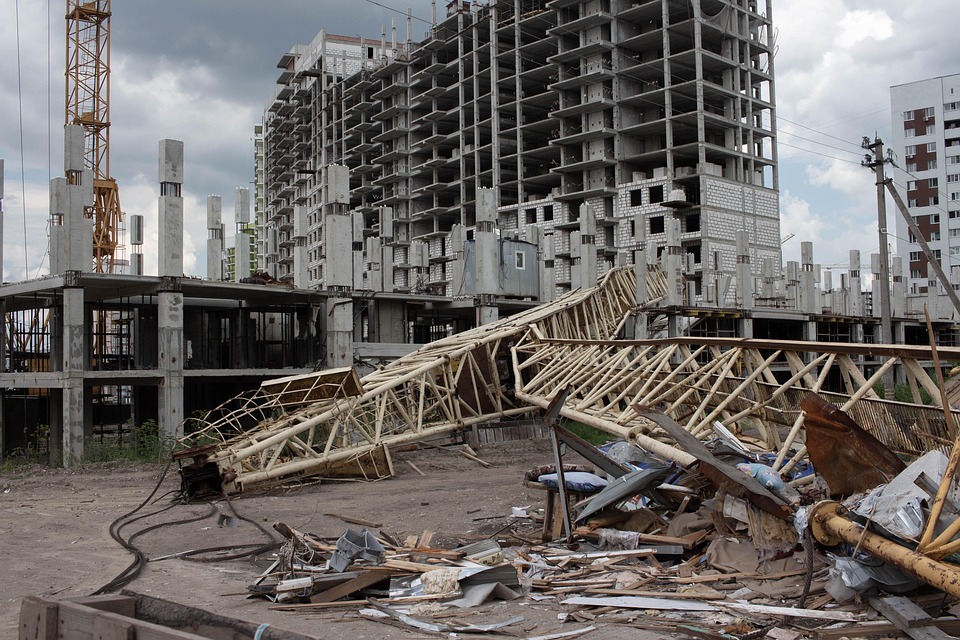
The changing seasons bring more than simply falling fallen leaves and pumpkin flavor every little thing to Pittsburgh. As temperatures decline and autumn transitions right into winter months, construction websites throughout the Steel City face an one-of-a-kind collection of challenges that dramatically increase the danger of work environment accidents. Employees browsing scaffolding, operating heavy machinery, and finishing tasks under limited due dates need to now contend with shorter daytime hours, uncertain climate patterns, and cold-related risks that weren't problems during the summer season.
Pittsburgh's construction industry stays a vital part of the local economic situation, with continuous infrastructure projects, residential advancements, and business renovations taking place throughout the year. Nonetheless, the city's dramatic seasonal temperature level swings develop problems that demand enhanced understanding from both employees and site managers. Understanding these seasonal threats can aid avoid major injuries and ensure that building experts make it home safely each evening.
Just how Pittsburgh's Climate Creates Construction Hazards
Pittsburgh experiences among the most variable climates in the northeastern United States. The city's area at the merging of three rivers contributes to abrupt weather condition modifications that can capture building teams off-guard. Early morning temperatures in the low 40s can give way to afternoon analyses in the mid-60s throughout loss, creating a false complacency prior to winter's extreme problems absolutely set in.
This temperature change influences greater than simply employee comfort. Materials behave in a different way in winter, with concrete establishing a lot more gradually and metal becoming brittle. Tools that functioned flawlessly in July may have a hard time to start on a wintry November early morning. Employees packed in hefty clothing lose several of their mobility and mastery, making regular jobs somewhat much more challenging and increasing the probability of bad moves or fumbles that can cause mishaps.
The region's infamous grey skies likewise play a role in construction safety. Pittsburgh standards just about 60 clear days per year, meaning staffs often function under cloudy conditions that decrease presence. When you incorporate minimal all-natural light with the shortened days of late loss and wintertime, building sites become significantly extra harmful. Shadows grow previously in the afternoon, and deepness understanding becomes more difficult when comparing different altitude levels on a worksite.
Early Darkness Amplifies Workplace Dangers
The quick loss of daylight throughout fall months poses among one of the most significant obstacles for Pittsburgh building and construction crews. By late November, sunset happens prior to 5 PM, compeling lots of tasks to depend heavily on synthetic illumination to complete the day. This transition captures some websites unprepared, particularly smaller property tasks that might not have purchased detailed lights systems.
Insufficient illumination creates many hazards on building websites. Workers may not see trip hazards like scattered materials, irregular ground, or open excavations. Operating equipment ends up being much more hazardous when presence is jeopardized, and working with between staff members requires added interaction when visual signals become harder to see. The tiredness that naturally goes along with much shorter days additionally influences concentration degrees, making workers much more susceptible to errors in judgment.
Lots of building crashes take place throughout these golden hours when the sunlight has established yet artificial lighting hasn't yet compensated fully. A construction accident lawyer usually sees cases where workers suffered falls, equipment-related injuries, or were struck by lorries throughout these low-visibility durations. These incidents are often avoidable with appropriate security methods and ample lighting, yet they remain to occur with troubling uniformity as periods transform.
Winter Equipment Failures
Building and construction tools encounters one-of-a-kind stress and anxieties as temperature levels go down across Pittsburgh. Hydraulic systems thicken, batteries lose power more quickly, and diesel engines become harder to begin. These mechanical challenges do not just trigger project delays; they develop unsafe scenarios when tools fails all of a sudden or drivers push equipment beyond safe operating specifications to satisfy target dates.
Cold weather affects various sorts of building tools in numerous methods. Cranes and lifts might experience slower feedback times in their control systems. Compressors and pneumatic tools need longer warm-up periods to operate securely. Also straightforward tools like power saws can act unexpectedly when metal parts contract in the cold. Employees who do not represent these changes might find themselves in dangerous scenarios when tools doesn't respond as anticipated.
Vehicle-related mishaps also boost throughout cooler months on building and construction sites. Trucks making deliveries navigate via mud, early morning frost, or unanticipated ice patches. An auto defect attorney can tell you that lorry breakdowns become extra usual in winter, specifically in older fleet automobiles that building companies utilize for material transportation. Brake systems, steering parts, and tire stability all face additional stress and anxiety when temperature levels drop.
Slides, Trips, and Fall Hazards Multiply
Pittsburgh's cooling temperature levels bring rain, sleet, and eventually snow, changing construction sites into unsafe obstacle training courses. Early morning frost on steel scaffolding, muddy excavation sites that ice up overnight right into irregular surface areas, and damp leaves that collect on walkways all contribute to a setting where maintaining your ground ends up being truly challenging.
Autumns represent the leading reason for building casualties nationwide, and the risk escalates during transitional seasons. Employees climbing up ladders with cool, stiff fingers, navigating rooftops covered in early morning condensation, or strolling throughout plywood sheeting made slick by overnight wetness face tremendously greater threats than their summer counterparts. Even experienced professionals can shed their balance when conditions transform rapidly throughout a single workday.
The scenario ends up being a lot more treacherous during Pittsburgh's popular freeze-thaw cycles. Water permeates right into splits and holes during warmer afternoon hours, then expands as it freezes over night, producing unsteady walking surfaces. These conditions persist throughout the fall and winter months, calling for consistent vigilance and positive safety measures to avoid major injuries.
Employee Fatigue and Reduced Alertness
The human body reacts to seasonal changes in manner ins which straight impact office safety. Shorter daylight hours affect body clocks, possibly leaving workers feeling drowsy throughout their shifts. The physical demands of remaining warm while carrying out labor-intensive jobs drain pipes energy gets faster. Heavy safety garments restricts activity and makes employees tire faster than they would certainly in lighter summertime gear.
Pittsburgh construction employees deal with the added difficulty of commuting in darkness both to and from work sites throughout the winter season. Beginning your day before dawn and returning home after sunset takes an emotional toll that can manifest as lowered awareness and slower response times at work. This exhaustion aspect contributes to mishaps that might not happen when workers are completely relaxed and alert.
The battle to stay cozy also draws away attention from security methods. Workers concentrated on handling their body temperature might pay less interest to their surroundings or take faster ways that conserve time however rise risk. This divided interest develops opportunities for mishaps that vigilant, comfy workers would commonly avoid.
Compressed Schedules Before Winter Weather Arrives
Building and construction companies typically hurry to full projects before serious winter months weather makes outdoor work difficult or financially impractical. This pressure to beat the schedule brings about extended hours, rushed work, and often poor focus to security procedures. The way of thinking shifts from "let's do this right" to "let's get this done before the snow flies."
Compressed timelines mean workers put in longer days, sometimes in deteriorating conditions as they race versus coming close to tornados. Exhaustion sets in quicker, and the temptation to avoid safety actions comes to be more powerful. A Philadelphia workplace accident lawyer often experiences situations where mishaps happened since staffs were pressing to satisfy due dates before wintertime weather condition shut down a project site.
This seasonal stress influences decision-making in all degrees. Job managers may accept operate in minimal conditions that would typically set off a weather delay. Employees might continue tasks in fading light rather than shedding efficient hours. Equipment might be run past suggested temperature level limits since stopping ways falling back timetable. These calculated dangers occasionally lead to serious crashes that might have been protected against with even more reasonable timelines.
Shielding Yourself on Cooling Construction Sites
Building employees can take several actions to protect themselves as Pittsburgh temperatures drop. Wearing layers allows for change as conditions transform throughout the day. Shielded, non-slip work boots give far better grip on cold, unsafe surface areas. Keeping handwear covers that allow ample dexterity ensures you keep appropriate grip on tools and equipment while remaining cozy.
Staying familiar with changing light problems throughout your shift helps you prepare for when visibility will end up being endangered. Speaking up concerning insufficient lighting or risky problems isn't just your right; it's your duty to on your own and your coworkers. No construction due date deserves risking your wellness or life over preventable dangers.
Keeping tools effectively becomes even more essential as temperatures fall. Record any kind of machinery that isn't operating normally, even if the trouble appears small. Tools failures in cold weather can intensify rapidly from bothersome to harmful. Similarly, guarantee walkways and work platforms are free from water, ice, and particles that create slip threats.
When Accidents Happen Despite Precautions
Also the most careful building and construction employees can find themselves harmed when problems weaken or when companies fail to preserve adequate safety and security criteria. Comprehending your legal rights and choices after an office crash helps guarantee you receive appropriate medical care and settlement for your injuries. Pennsylvania law gives securities for building employees, but browsing the insurance claims procedure frequently calls for specialist guidance.
Construction mishap injuries can range from reasonably small to life-altering. Busted bones from drops, crush injuries from equipment crashes, and terrible brain injuries all accompany disturbing frequency on Pittsburgh construction sites. These injuries not only cause immediate pain and disability but can also see it here result in lost incomes, placing clinical expenses, and long-lasting impacts on your ability to function and delight in life.
The air conditioning season brings specific kinds of injuries that doctor and legal experts recognize as cold-weather relevant. Hypothermia, frostbite, and accidents triggered by reduced dexterity in cool conditions all fall under this category. If you experience an injury on a construction site as temperature levels decline, documenting the conditions at the time of your crash becomes specifically important for any type of succeeding cases.
Pittsburgh's building market remains to expand and evolve, however the essential obstacles posed by cooling temperatures stay consistent. Employees, companies, and task managers should all acknowledge that seasonal modifications require changes to safety and security protocols and heightened awareness of emerging risks. The Steel City's building sites can stay safe places to work throughout the autumn and winter season, however just when everybody included prioritizes security over routines and revenues.
We invite you to follow our blog for regular updates on construction safety, employees' civil liberties, and lawful advancements that impact Pittsburgh-area building experts. Inspect back commonly for new material developed to help you stay informed and shielded throughout your job.